Injection Molding DFM Guide
Plastic Injection Molding DFM Checklist for Sourcing Engineers
Review manufacturability before mold tooling starts. This practical checklist helps procurement and engineering teams clarify geometry, material, quality, lead time and tooling assumptions.
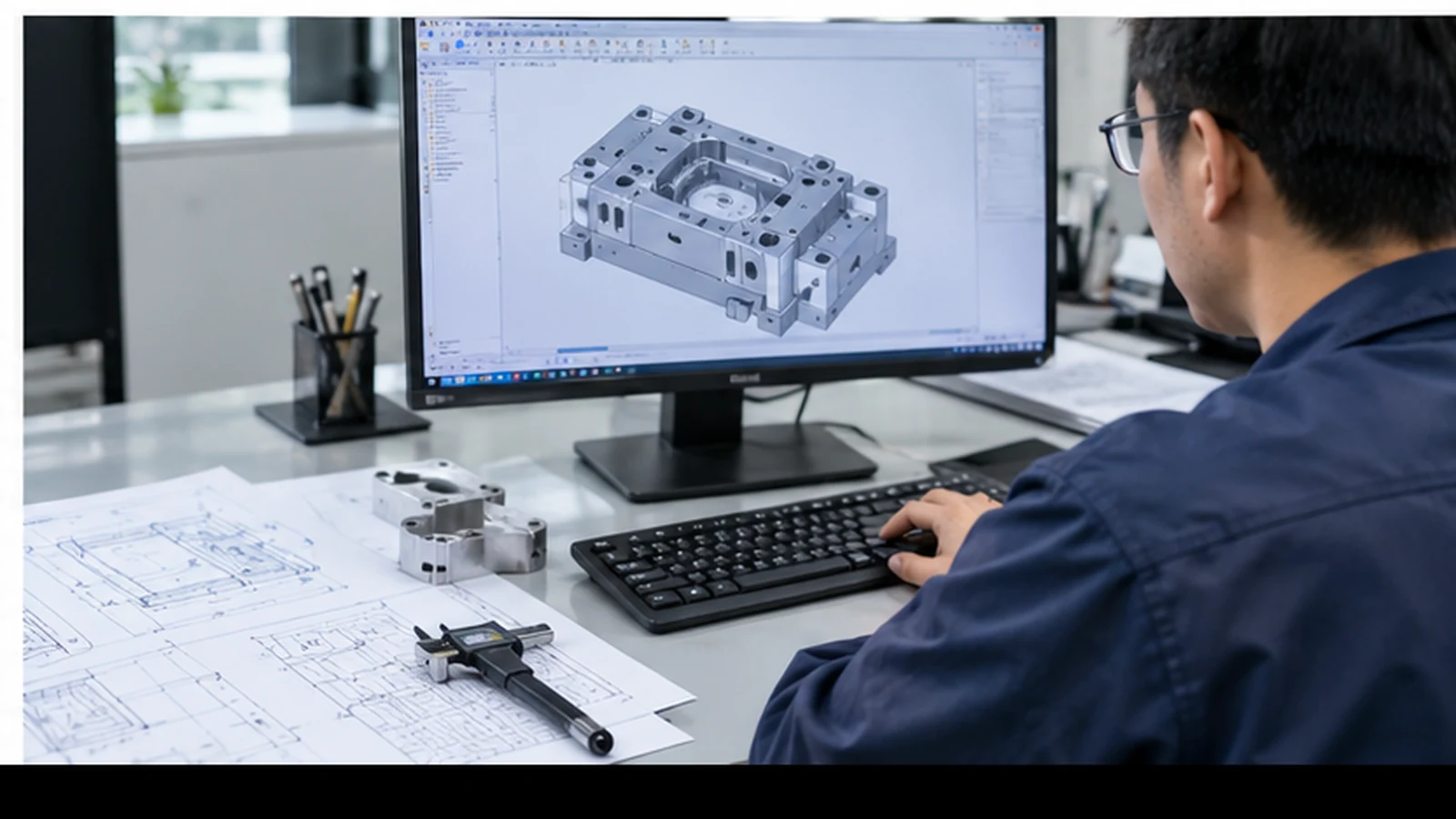
Quick answer: A useful injection molding DFM review checks wall thickness, draft angles, ribs, bosses, undercuts, parting line, gates, ejection, material behavior and critical tolerances before mold tooling begins. The objective is to protect part function while reducing avoidable tooling revisions, cosmetic defects and production delays.
Why DFM Review Matters Before You Approve a Mold
For a procurement manager or sourcing engineer, the lowest initial tooling quote is not always the lowest project cost. A design that has not been reviewed for molding may require late changes to steel, sampling, cosmetic surfaces or assembly interfaces.
The DFM discussion should connect each proposed change to the part’s function, appearance, expected quantity and production schedule. It should also separate confirmed requirements from items that still need engineering approval.
Injection Molding DFM Checklist
Use this checklist when preparing an RFQ or reviewing a supplier’s DFM report:
| Review area | What to confirm | Buyer question |
|---|---|---|
| Wall thickness | Consistent sections and controlled transitions | Could this geometry cause sink, warp or uneven cooling? |
| Draft angle | Draft on external walls, cores, ribs and textured areas | Can the part eject without scuffing or sticking? |
| Ribs and bosses | Support features sized for strength and appearance | Are they strong enough without creating sink marks? |
| Undercuts | Slides, lifters, inserts or redesign options | Is the tooling approach clear and maintainable? |
| Parting line | Location, flash risk and cosmetic impact | Will it affect a visible or sealing surface? |
| Gates and ejection | Gate vestige, fill balance and ejector locations | Are marks acceptable for the application? |
| Tolerances | Critical dimensions, datums and assembly interfaces | Which dimensions must be inspected and reported? |
Wall Thickness and Transitions
Use Practical, Consistent Sections
Large changes in wall thickness can contribute to sink marks, voids, warpage or uneven cooling. The correct target depends on the resin, flow length, geometry and application, so the supplier should review the actual CAD model rather than apply a universal number.
Use Cores Instead of Unnecessary Mass
Where strength and appearance allow, coring out thick sections can reduce material concentration and improve cooling consistency. Any change must be checked against stiffness, fastener loads, sealing and assembly requirements.
Draft Angles, Parting Lines and Ejection
Draft is needed so the molded part can release from the core and cavity. Texture, depth, shrinkage, steel condition and cosmetic requirements can change the practical draft recommendation.
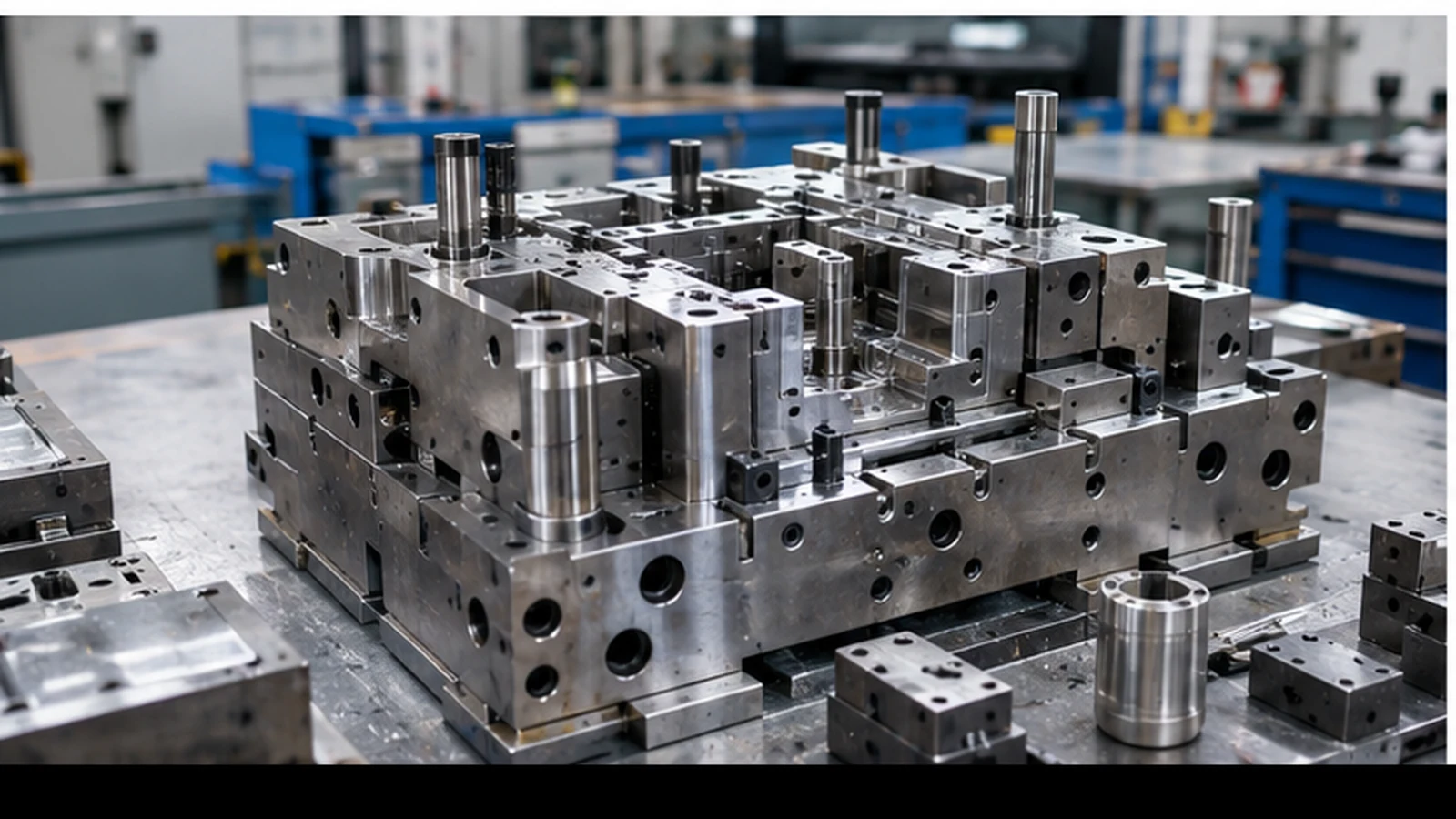
Ask the supplier to show the proposed parting line and identify visible witness marks, gates and ejector locations. A small tooling decision can affect the appearance of an enclosure or the fit of a connector housing.
For tooling scope and sampling assumptions, see injection mold tooling services. For the broader workflow, review custom injection molding capabilities.
Ribs, Bosses, Holes and Inserts
Design Ribs for Support Without Cosmetic Problems
Ribs can improve stiffness, but overly thick ribs may telegraph through a cosmetic wall or create sink. Review rib height, connection points, draft and the relationship to nearby walls.
Confirm Bosses and Fastener Features
Bosses should be checked for wall support, core pin access, draft, sink risk and the selected fastening method. If threaded inserts, heat staking or self-tapping screws are planned, state this in the RFQ.
Clarify Holes and Side Actions
Through-holes, blind holes and cross-holes may require different tooling solutions. Identify the hole function, location tolerance and whether a slide, lifter, insert or secondary operation is acceptable.
Materials, Appearance and Functional Requirements
Provide the resin family or customer-specified grade when known. If material selection is open, describe impact, heat, chemical, stiffness, flame, color and appearance requirements instead of asking for a generic “strong plastic.”
Also identify cosmetic faces, texture, gloss, color, gate visibility and allowable parting-line marks. Material and finish decisions should be validated against the application and supplier capability.
Tolerances and Quality Control
Do not apply the tightest tolerance to every feature. Mark dimensions that control fit, sealing, connector alignment, mounting or other functions. Use datums that match the assembly and inspection method.
Ask how the supplier will verify critical dimensions, manage sample approval and control revisions. First-piece checks, dimensional reports and a defined nonconformance process may be appropriate depending on project risk. See equipment and quality control for related planning.
Tooling, Lead Time and Production Planning
| Planning item | Clarification to request |
|---|---|
| DFM review | Included review scope and approval responsibility |
| Mold tooling | Tool configuration, steel assumptions, sampling and revisions |
| T1/T2 samples | Sample timing, feedback process and approval criteria |
| Production | Quantity basis, material availability and inspection plan |
| Logistics | Export packing, destination, shipping terms and responsibilities |
Lead time should be treated as a project estimate based on design stability, tooling complexity, material availability, sample feedback and shipping method. Confirm what starts the clock and which activities are included.
Common DFM Review Mistakes
- Approving steel before the parting line, gate and ejection strategy are understood.
- Sending a CAD model without identifying the current revision or units.
- Treating all surfaces as cosmetic without defining critical appearance zones.
- Using tight tolerances without explaining the fit or function they protect.
- Ignoring mold maintenance, spare components and future revision planning.
- Comparing quotes with different sample quantities, revision scope or shipping assumptions.
How Daremotion Supports Injection Molding DFM
Daremotion can review the CAD model and project requirements for molding risks involving wall thickness, draft, ribs, bosses, undercuts, parting lines, material selection and critical interfaces. The review can then inform tooling scope, sample expectations, quality requirements and production planning.
For an application-focused example, see custom plastic enclosure manufacturing. If the design is confidential, mention the NDA requirement before transferring proprietary files.
FAQ
What is included in an injection molding DFM review?
A review commonly covers geometry, wall thickness, draft, ribs, bosses, undercuts, parting line, gates, ejection, material assumptions and critical tolerances. The exact scope should be confirmed for the actual part.
Should DFM happen before or after the mold quote?
It is useful before tooling approval and may be part of the quotation process. Early review helps the buyer compare tooling assumptions and identify changes before steel is cut.
Does DFM guarantee that a part will have no defects?
No. DFM reduces foreseeable manufacturing risks, but molding results also depend on material, machine settings, tooling condition, process control and inspection.
Can Daremotion review a small-batch injection molding project?
Yes. Quantity, expected future volume, material, geometry and tooling approach should be reviewed together so the project is quoted against its actual production stage.
Send Your Part for a DFM Review
Share the latest CAD model, drawing, target material, estimated quantity, cosmetic requirements, critical dimensions and delivery destination.