TOOLING SOURCING GUIDE · LOW-VOLUME PRODUCTION
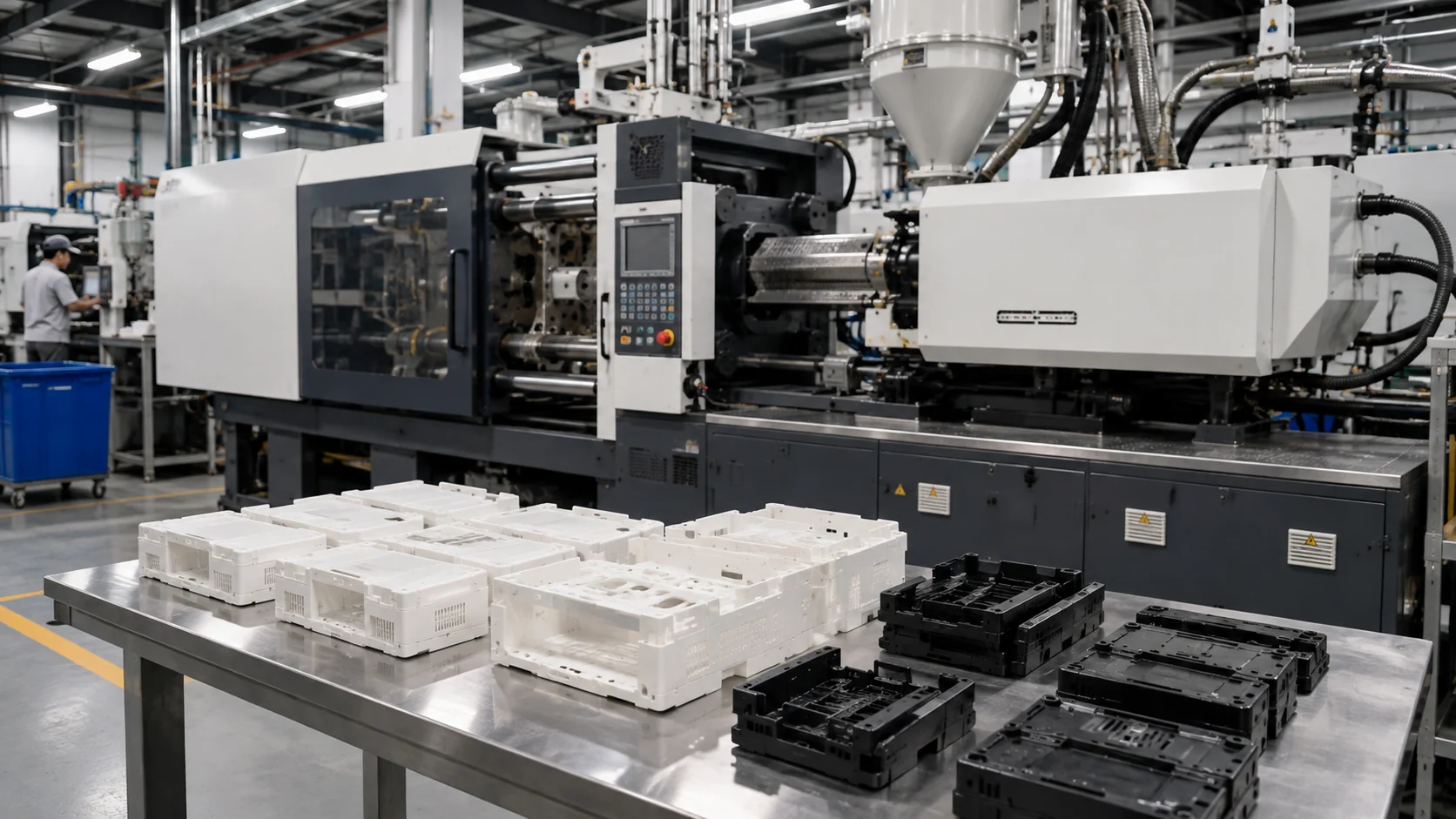
Quick answer: Soft tooling can be practical for prototypes, design validation, bridge production, or uncertain demand. A production mold is usually better when the design is released, volume is predictable, tool life matters, or the material and geometry are demanding.
For a new plastic product, the choice between soft tooling and a production mold affects upfront cost, lead time, part consistency, and future production flexibility. The right option depends on project stage, quantity, material, geometry, and how much design risk remains.
What Is Soft Tooling?
Soft tooling is a lower-cost mold approach often used for prototypes, design validation, bridge production, or limited quantities. It can shorten the path to molded samples while keeping the initial tooling investment controlled.
What Is a Production Mold?
A production mold is designed for repeatable output over a planned service life. It usually receives more detailed engineering for cooling, ejection, mold materials, maintenance, automation, and long-term dimensional consistency.
When Soft Tooling May Be Practical
- The design still needs fit, function, or market validation.
- The first order quantity is limited or the demand forecast is uncertain.
- You need molded parts before committing to a full production tool.
- The material and geometry are suitable for the selected tool construction.
When a Production Mold Is Better
- The design is released and the production forecast is reliable.
- The project requires long tool life, repeatability, or multi-cavity output.
- The part uses abrasive resin, tight tolerances, complex cooling, or demanding surfaces.
- The cost of repeated tool changes would exceed the initial production-tool investment.
Questions to Include in Your Tooling RFQ
Include the CAD model, material, expected quantity, annual volume, target delivery date, surface finish, critical tolerances, and destination. Tell the manufacturer whether the design is final or still under development.
Plan the Right Tooling Path
Daremotion can help compare prototype, low-volume, and production tooling options for your project. Request a manufacturing quote with your design stage and expected volume.
Tooling Decision Checklist
| Project condition | Often worth evaluating | Reason |
|---|---|---|
| Design still changing | Soft tooling or prototype route | Controls early investment while fit and function are validated |
| Stable design and predictable demand | Production mold | Supports repeatability, tool life, and planned unit cost |
| Abrasive resin or tight tolerance | Production-grade tooling review | Material, cooling, steel, and inspection need deeper planning |
FAQ
Is soft tooling only for prototypes?
No. It may also support bridge production or limited quantities when tool construction and service life match the project.
Can I compare both options in one RFQ?
Yes. State first order, annual volume, lifetime estimate, material, critical dimensions, and target dates.
Plan Your Low-Volume Injection Molding Project
Request a manufacturing quote with your design stage, quantity, material, and timing.