Enclosure Design and RFQ Guide
Choosing an IP target for a molded plastic enclosure is not just a material decision. The rating depends on the complete assembly: housing geometry, gasket, fasteners, cable entries, vents, connectors, assembly controls, and the test conditions. Procurement and engineering teams should define these requirements before mold design is released.
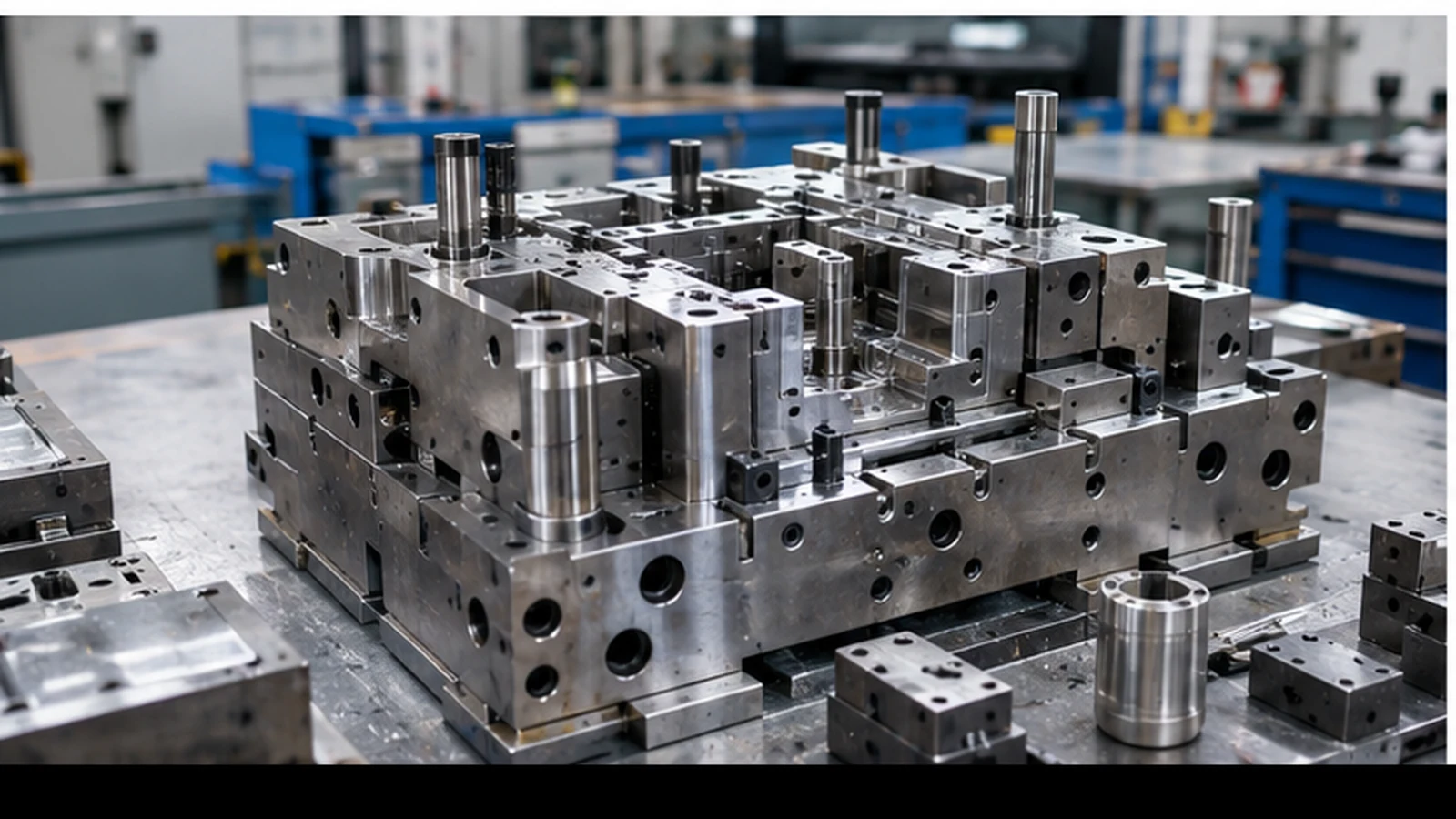
This guide explains what to specify when sourcing an injection molded control panel housing, and how to prepare a useful RFQ for custom injection molding.
What an IP Rating Applies To
An ingress-protection rating is evaluated for the assembled product under defined test conditions. A molded cover by itself does not establish that the complete equipment meets a particular rating. The enclosure, gasket, fasteners, cable glands, mating surfaces, and assembly method all affect the result.
State the required standard, target IP code, test orientation, duration, and any operating conditions in the specification. Confirm who owns final assembly and testing. The finished system should be validated to the applicable standard by the responsible product team or test provider.
Design the Gasket Interface Before Tooling
Choose the sealing strategy
Define whether the design uses a captured gasket, an adhesive-backed seal, an O-ring, or another interface. Include the gasket material, hardness, compression range, joint path, and replacement expectations where applicable.
Control the sealing land
Identify the mating surfaces and the dimensions that control gasket compression. Flatness, parting lines, local sink, texture, and housing warpage can affect contact. Show the sealing land and its datums clearly on the drawing rather than relying on a general tolerance.
Plan fastener spacing and clamp load
Fastener locations influence how evenly the cover compresses the gasket. Long unsupported spans can open under load or after thermal cycling. Review screw bosses, inserts, torque requirements, and assembly sequence as one system.
Account for Cable Entries, Connectors, and Vents
Cable glands, connector panels, display windows, buttons, and pressure-equalization vents are common leakage paths. Specify the component supplier, cutout geometry, mounting method, seal, and required test condition for each interface. If the design uses a membrane vent, include its environmental and pressure requirements in the RFQ.
Make sure openings can be molded or machined without creating thin shut-offs or difficult tooling. Our mold tooling team can review parting lines, side actions, shut-offs, ejection, and service access from the CAD model.
Materials and Dimensional Stability
ABS, PC, PC/ABS, and other engineering polymers may be considered depending on impact, temperature, chemical exposure, UV, and flame-performance requirements. The material must be compatible with the gasket and cleaning environment. Shrinkage and warpage also influence the cover-to-base interface and should be considered during DFM.
A resin grade with a required flame rating or other certification must be named precisely in the RFQ. Confirm that the selected grade, color, thickness, and end-use construction satisfy the applicable requirements; do not assume one resin designation covers every construction.
Define Critical Tolerances and Validation
Focus dimensional controls on gasket lands, cover alignment, fastener spacing, cable-entry features, and connector datums. Avoid applying unnecessarily tight tolerances to every external surface. Specify how critical dimensions will be inspected and what sample quantity or first-article evidence is needed.
Plan prototype assembly and ingress testing before production release. A useful sequence is DFM, mold trial, dimensional inspection, assembly with production-intent seals and hardware, then the agreed environmental test. If the design changes, document whether re-testing is required.
IP Enclosure RFQ Checklist
- 3D CAD model and dimensioned 2D drawing with sealing datums.
- Target IP code, applicable test standard, orientation, and acceptance criteria.
- Gasket or seal specification, compression range, and source of supply.
- Fastener type, insert details, torque, and assembly owner.
- Cable gland, connector, vent, display, and button requirements.
- Material grade, color, texture, flame rating, temperature, and chemical exposure.
- Initial quantity, annual forecast, validation plan, and delivery destination.
- NDA requirement and responsibility for final assembled-product testing.
For a broader part-data checklist, see plastic injection molding DFM checklist. For a project-specific review, send your enclosure RFQ.
Frequently Asked Questions
Can an injection molded plastic enclosure be designed for an IP rating?
The housing and its interfaces can be designed around a target rating, but compliance depends on the complete assembled product and the applicable test. The rating should not be claimed until the finished assembly has been validated.
Does choosing a waterproof resin make the enclosure waterproof?
No. Resin selection alone does not provide ingress protection. Joint geometry, gasket compression, fasteners, openings, assembly, and testing all matter.
Should the gasket be included in the mold quote?
Include the gasket specification and clarify whether it is customer-supplied or part of the supplier scope. Its geometry and compression requirements should be reviewed before tooling is finalized.
Request a Manufacturability Review
Share your CAD files, drawing, target IP code, seal details, material requirements, quantity, and validation plan. Our team can review the molded part and tooling considerations before quotation.
Request a manufacturing quote Explore industrial control panel housings