Tooling Resource
P20 vs 718H vs H13 Mold Steel: How to Choose for Injection Molds
A procurement-focused guide to selecting mold steel by volume, finish, resin, and maintenance risk.
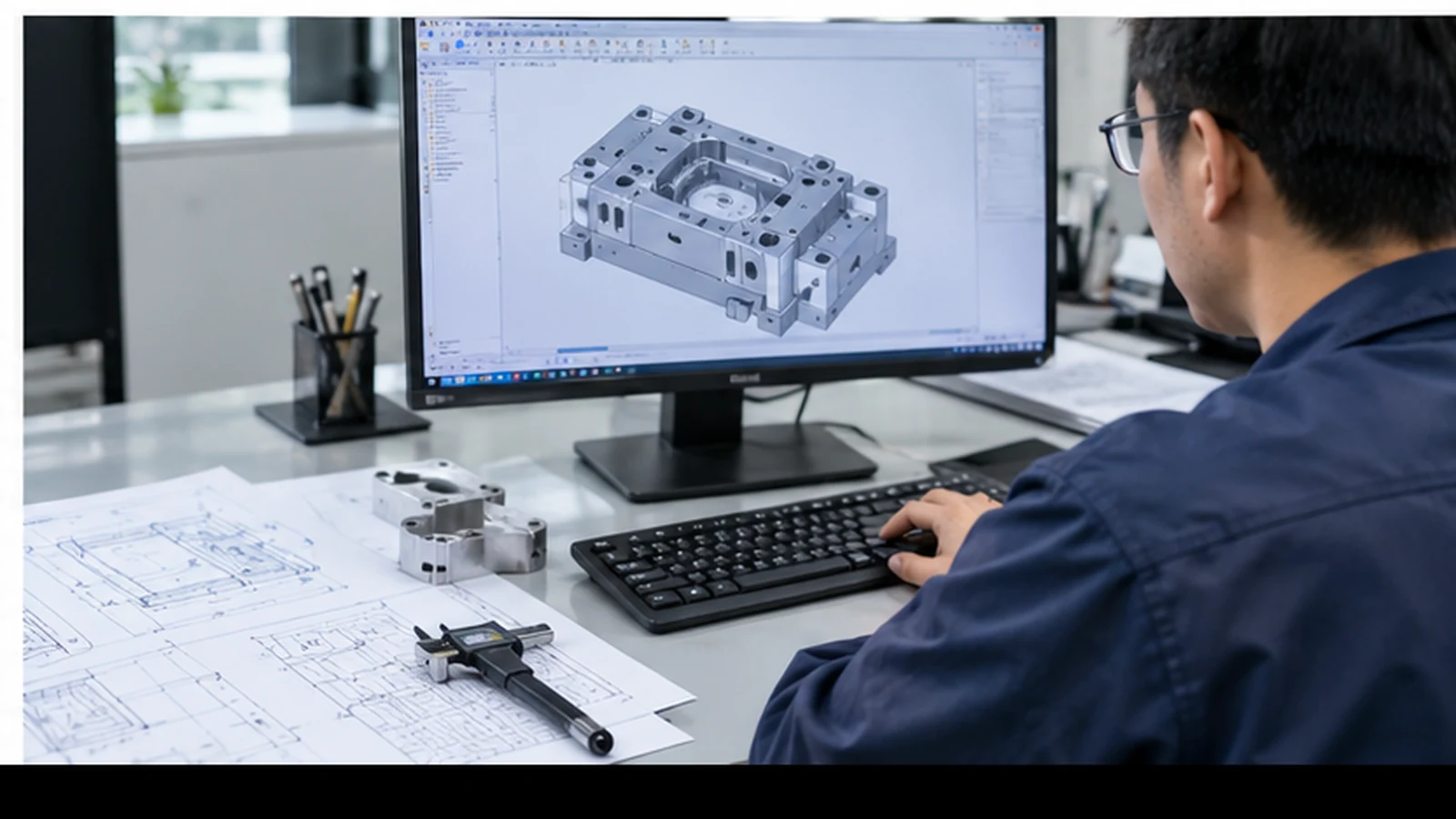
What Injection Mold Steel Needs to Do
Mold steel must withstand clamping and injection pressure while maintaining dimensional stability, polishability, and serviceability. Start with your production forecast and cosmetic requirements, then select the steel grade that supports those requirements.
P20 vs 718H vs H13 at a Glance
| Steel | Typical strength | Best fit |
|---|---|---|
| P20 | Pre-hardened, machinable | General-purpose tooling, moderate volumes, practical cost control |
| 718H | Improved hardness and polish | Higher cosmetic requirements and longer production programs |
| H13 | Hot-work performance | Thermal cycling, demanding inserts, and high-wear applications |
How to Choose Steel for Your Project
Expected tool life
Define target shots and maintenance intervals in the quotation. A lower-cost steel may be appropriate for a short-run or bridge tool, while a long-life production mold needs a documented steel and heat-treatment strategy.
Surface finish and appearance
Optical or textured parts need consistent polishing and texture transfer. Discuss the cosmetic zones, grain direction, and acceptance samples during mold tooling design.
Resin and wear
Glass-filled, mineral-filled, flame-retardant, and corrosive resins can increase wear or corrosion. Specify the resin grade early so the toolmaker can recommend suitable inserts or protection.
Maintenance and warranty
Ask what is included after tool acceptance: spare inserts, preventive maintenance, repair response, shot-count records, and warranty exclusions. A clear maintenance plan protects the total cost of ownership.
FAQ
Is P20 suitable for production molds?
Yes, for many general-purpose programs when the volume, resin, and finish are compatible. The final selection should be confirmed through DFM and tooling review.
Does harder steel always mean a better mold?
No. Hardness can improve wear resistance but may increase machining cost and reduce repair simplicity. Choose for the actual production conditions.
Need Help Selecting Mold Steel?
Share your resin, annual volume, cosmetic finish, and target tool life. Daremotion can align steel selection with tooling cost and maintenance requirements.