CNC Machining Resource
CNC Machining Aluminum vs Steel: How to Choose for Custom Parts
A sourcing guide for selecting material without compromising strength, weight, finish, or delivery.
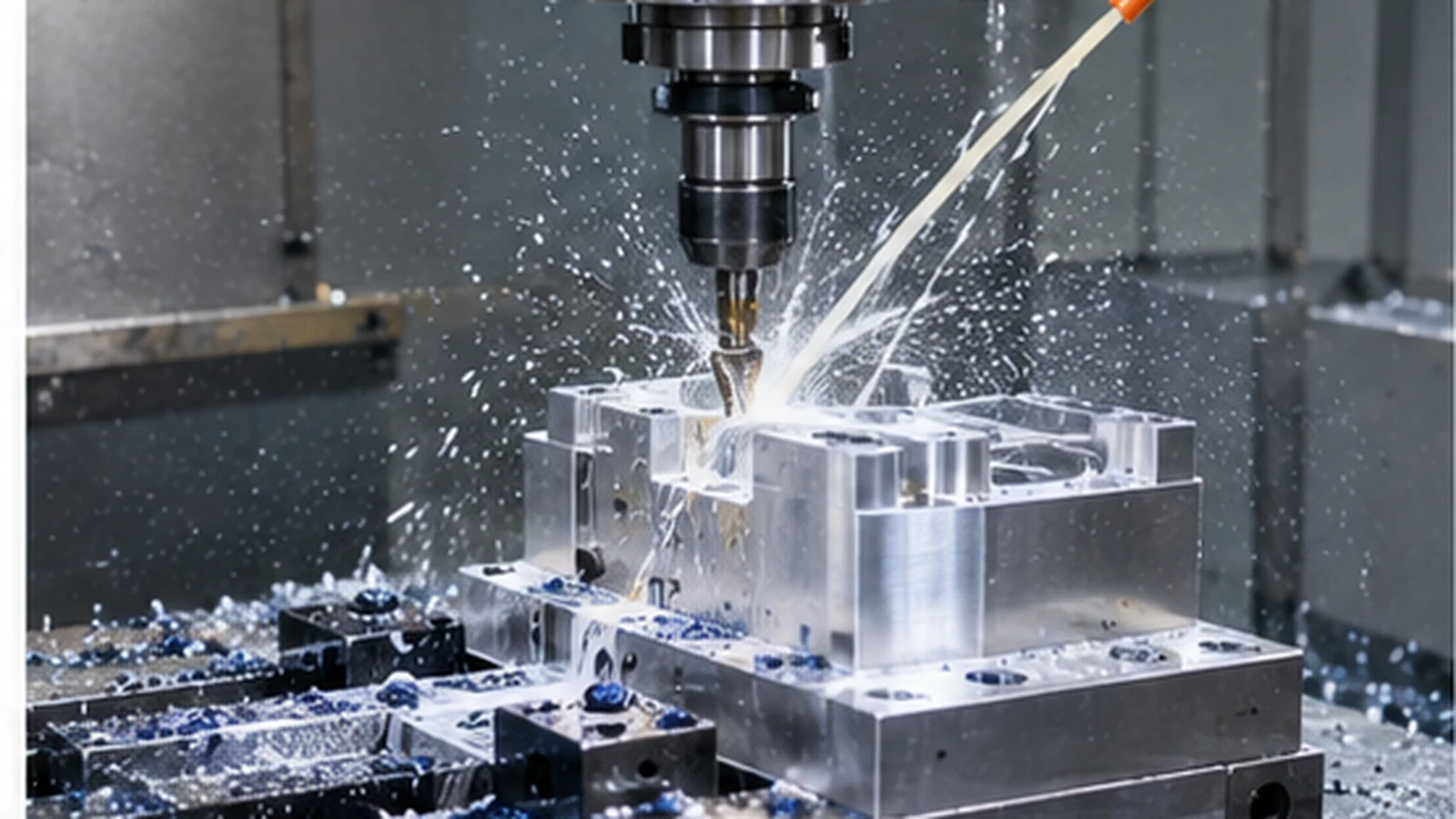
Aluminum vs Steel for CNC Machining
| Factor | Aluminum | Steel |
|---|---|---|
| Weight | Low density for housings and brackets | Higher mass, often higher load capacity |
| Machining | Often faster for many geometries | Depends on grade and hardness |
| Wear and heat | Good for many housings and fixtures | Better for wear, load, and elevated temperature |
Questions to Resolve Before Material Selection
Loads, temperature, and environment
Review fatigue, shock, corrosion, contact wear, and operating temperature instead of selecting from tensile strength alone.
Tolerances and inspection
Mark datums and critical features on the drawing. See our CNC tolerance guidance to avoid applying expensive precision to every surface.
Finish and lead time
Anodizing is common for aluminum; steel may need plating, black oxide, passivation, or coating. Material availability, programming, fixturing, inspection, and finishing all affect delivery.
FAQ
Is aluminum always cheaper than steel?
Not always. Grade, stock size, finishing, quantity, and machining complexity determine final price.
Can the supplier recommend a material?
Yes. Provide loads, temperature, environment, finish, and target life so the recommendation is performance-based.
Source Your Next CNC Part
Send CAD, drawings, material preferences, tolerances, quantity, and finish requirements for a manufacturability review.